DIY Plumbing Repairs: The Ultimate Guide to Fixing Leaks, Clogs, and Common Fixture Problems
Most plumbing problems at home are simple mechanical failures. A washer wears flat. A trap fills with hair and grease. A flapper stops sealing. You can fix all three with basic tools and a few hours.
This guide covers the repairs a homeowner can do without a license: faucet drips, drain clogs, running toilets, low pressure, water heater decisions, and burst pipe emergencies. It also marks the line where a licensed plumber earns the money.
| Before any repair | Shut off the water at the fixture valve or the main shutoff |
|---|---|
| Basic tools | Adjustable wrench, pliers, bucket, towels, flashlight, plumber's tape |
| Common failures | Worn washers, cartridges, O-rings, flappers, and clogged traps |
| Call a pro for | Gas lines, sewer mains, hidden leaks, and anything inside a wall |
| Cost drivers | Part price, access, pipe material, and whether walls must be opened |
What Counts as a DIY Plumbing Repair
A DIY repair is any fix you can complete at the fixture with hand tools and no soldering, gas work, or permit.
Start with the shutoff. Every sink, toilet, and appliance has a valve nearby. If it is seized or missing, use the main shutoff. Then open a low faucet to drain the line before you take anything apart.
Work on fixtures you can reach. Faucets, toilet tanks, sink traps, shower valves, and supply hoses all qualify. Pipes inside walls, sewer lines, and gas piping do not. Those need a license, a permit, and insurance.
If you want the full picture of how supply and drain lines connect, home plumbing basics explains the layout before you start cutting anything.
Fixing Leaks at Faucets and Supply Lines
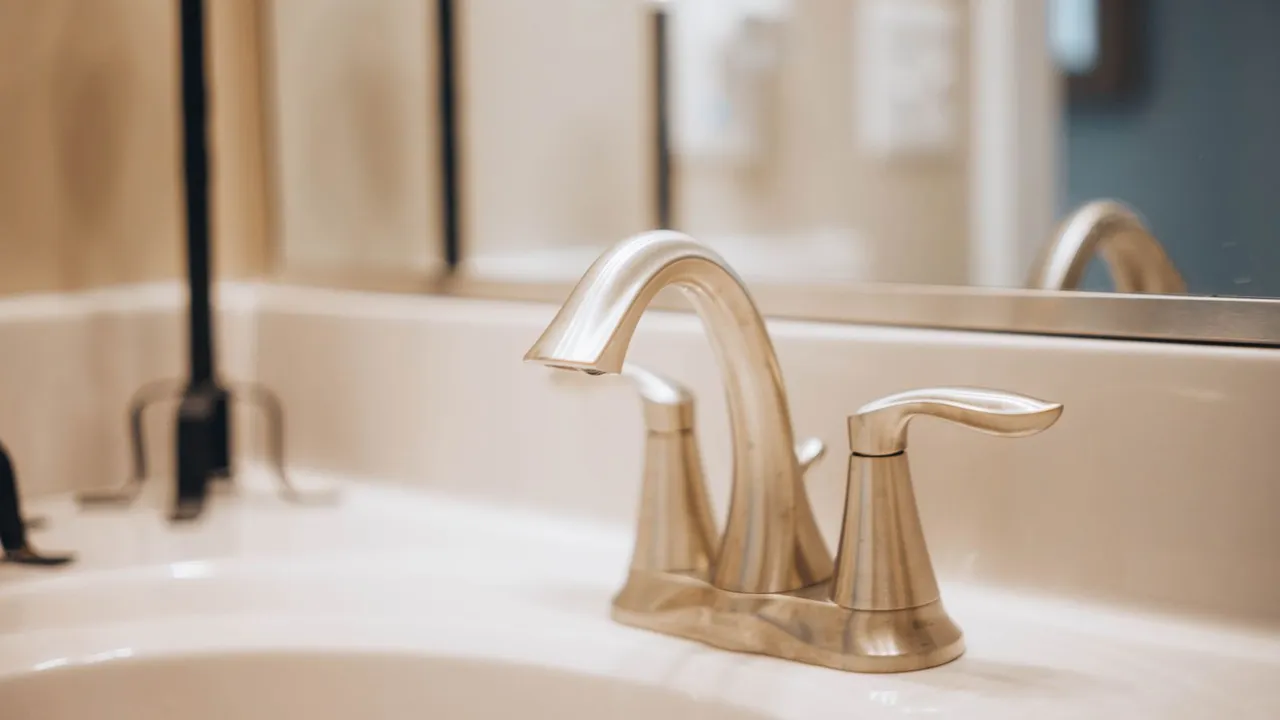
Most faucet leaks come from a worn washer, cartridge, or O-ring, and replacing that part stops the drip.
A drip from the spout points to the valve inside the handle. Water around the base points to an O-ring or packing. Water under the sink points to a supply connection or the drain trap below.
Shut the valves, remove the handle, and pull the cartridge or stem. Match the part at a hardware store rather than guessing. Coat new rubber parts with silicone grease, not petroleum jelly, which degrades rubber.
If you are unsure which part failed, How to Fix a Leaky Faucet walks through the diagnosis step by step. Tighten supply nuts by hand first, then a quarter turn with a wrench.
Clearing Clogs in Sinks, Tubs, and Toilets
A plunger or drain snake clears most clogs, and chemical cleaners are usually unnecessary and hard on pipes.
For a sink or tub, remove the stopper and pull hair out with a zip tool. If that fails, use a cup plunger with the overflow covered, then a hand snake through the trap arm. Toilets need a flange plunger for a seal.
Avoid liquid drain cleaners. They corrode older pipes, damage septic systems, and rarely clear a full block. A $20 snake does better work. For a toilet that keeps running after a flush, the problem is in the tank, not the drain.
When toilet runs constantly, the flapper or fill valve is the usual cause. For stubborn drain blocks, how to unclog a drain covers mechanical methods in order of effort.
Diagnosing Low Water Pressure
Low pressure at one fixture means a clogged aerator or valve, while low pressure everywhere points to the main line or a pressure regulator.
Test each fixture. If only the kitchen sink is weak, unscrew the aerator and clean the screen. If the whole house is weak, check the main shutoff is fully open and look for a failing pressure reducing valve.
Galvanized steel pipes build up scale over decades and restrict flow. Copper and PEX rarely do. A pressure gauge on a hose bib tells you the real number in a minute.
For a full walkthrough, Fixing Low Water Pressure covers each fixture type. If you would rather hand off a system-wide problem, a plumber tyler can test the main and regulator the same day.
Water Heater Problems: Fix or Replace
Repair a water heater when a single cheap part failed and the tank is under ten years old; replace it when the tank leaks or the unit is near the end of its life.
No hot water often means a failed heating element, thermostat, or pilot. Those are replaceable parts. A leaking tank is not. Once the steel shell rusts through, no repair holds.
Check the age on the label, the warranty, and whether the anode rod was ever changed. Sediment buildup shortens life and raises energy use. Flushing the tank yearly is cheap insurance.
When you weigh the decision, repair or replace water heater lays out the trade-offs. Compare the part cost against a new unit before you commit.
Burst Pipes and Emergency Shutoffs
For a burst pipe, shut the main valve immediately, drain the lines, and contain the water before any repair begins.
Know where your main shutoff is before you need it. In cold climates it is often in the basement near the front wall. Turn it clockwise until it stops, then open the lowest faucet in the house to drain pressure.
Cut power to any wet area at the breaker if water is near outlets. Move furniture, run fans, and photograph the damage for insurance. A temporary repair with a clamp and rubber pad can hold until a plumber arrives.
The burst pipe emergency checklist covers the first ten minutes. Freezing is the leading cause, so insulation and heat tape matter more than any patch.
Prevention, Installation, and Cost Expectations
Regular maintenance prevents most emergency calls, and knowing typical cost ranges helps you decide whether to DIY or hire out.
Flush the water heater yearly, test shutoff valves twice a year, and insulate pipes in unheated spaces. In freezing regions, drain exterior hose bibs before the first hard freeze. Small habits prevent most burst pipes.
For new work, follow local code on materials and venting. A plumbing installation guide covers fixture and appliance hookups. Bad installation causes more failures than worn parts.
Keep up with plumbing maintenance tips to stretch the life of every fixture. Before you start a repair, understand the plumbing repair cost so you can compare your time against a pro's rate.
Frequently asked questions
What plumbing repairs can I legally do myself in the US?
You can replace faucets, toilets, supply lines, and traps in most jurisdictions without a license. Work on gas lines, sewer mains, and new pipe runs usually requires a permit and a licensed plumber.
Do I need to shut off the main water before a small repair?
Not always. A working fixture shutoff valve isolates the sink or toilet. Shut the main only if the local valve is broken, seized, or missing.
Why does my faucet still drip after I replaced the washer?
The valve seat is likely scratched or the new part is the wrong size. Inspect the seat for grooves and replace the cartridge if the faucet uses one instead of a washer.
When should I stop and call a plumber?
Stop when water is inside a wall or floor, when the main sewer backs up, when you smell gas, or when a repair has failed twice. Those jobs need tools and licensing you do not have at home.
DIY plumbing repairs reward patience more than skill. Shut off the water, take the fixture apart slowly, and match the failed part before you buy a replacement. Keep a bucket, towels, and a flashlight nearby. If the problem is behind a wall, below the slab, or in a gas line, stop and call a licensed plumber. Everything else is a Saturday afternoon.