Repair or Replace? Deciding What to Do About a Broken Water Heater
A water heater rarely fails at a convenient time. You notice cold water, a puddle, or a breaker that keeps tripping, and the decision lands on you fast: fix the unit or buy a new one.
The right call depends less on brand loyalty and more on the age of the tank, what actually broke, and what a repair costs relative to a new install. Here is how to work through it.
| Typical service life, tank style | Roughly 8 to 12 years, shorter with hard water and no annual flushing |
|---|---|
| Typical service life, tankless | Often 15 to 20 years with regular descaling |
| Repair candidates | Heating element, thermostat, thermocouple, pilot assembly, drain valve, T&P valve |
| Replace candidates | Leaking tank, cracked inner liner, rust-colored hot water, repeated element failures |
| What drives the bill | Part cost, labor rate, access to the unit, code upgrades, permit fees |
| Efficiency note | New standards pushed most new tanks to higher efficiency than older units |
| Factor | Repair | Replace |
|---|---|---|
| Best when | Tank is under 8 to 10 years and one part failed | Tank is leaking, rusted, or past service life |
| Upfront cost | Lower, one part plus labor | Higher, unit plus labor, permit, disposal |
| Disruption | Usually same-day, a few hours | Most of a day, sometimes longer for upgrades |
| Warranty | Part warranty only, if any | New unit warranty, often 6 to 12 years on the tank |
| Efficiency | Unchanged | Typically better than the old unit |
| Long-term risk | Another failure can follow soon | Resets the clock on the whole system |
What does repairing a water heater involve?
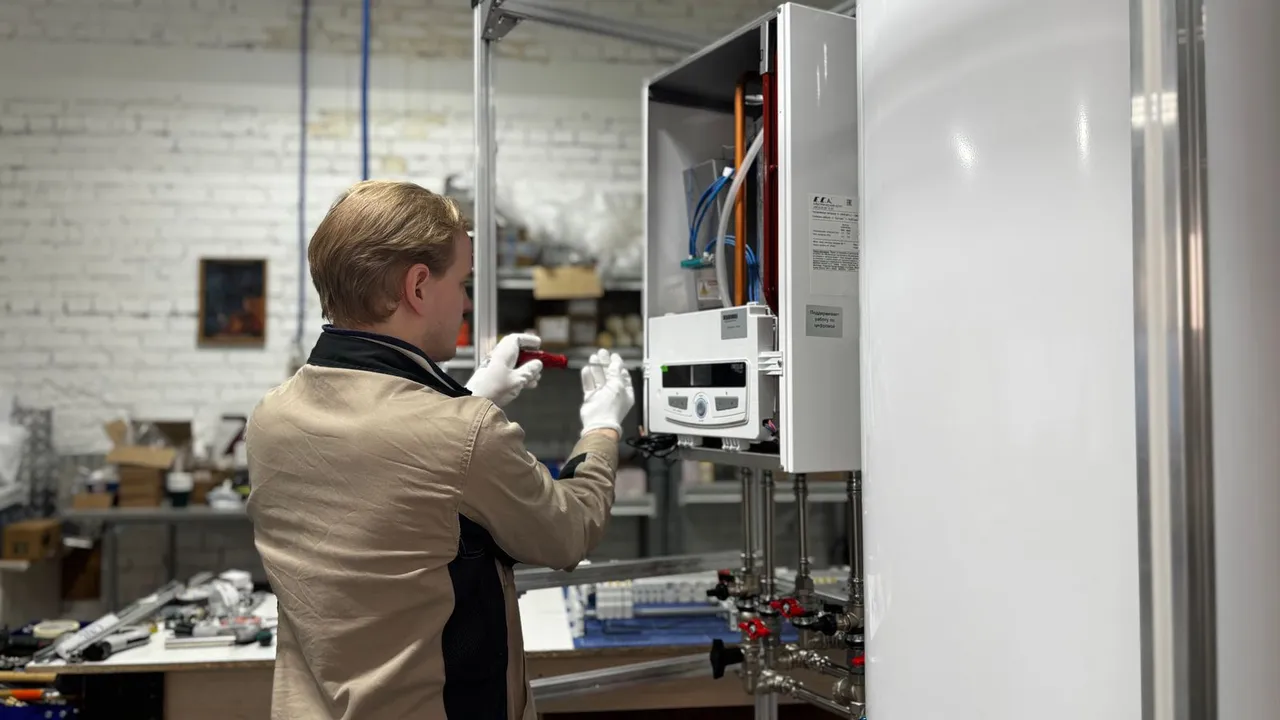
Repair means replacing a failed component, such as a heating element, thermostat, thermocouple, or valve, while keeping the existing tank and connections.
Most repairs are part swaps. On an electric unit, a burned-out lower element or a stuck thermostat is common. On gas, the thermocouple, igniter, or pilot assembly is usually the culprit.
Some of these jobs are reasonable for a careful homeowner, and our guide to DIY plumbing repairs covers the basics of working on fixtures safely. Anything involving gas lines, venting, or the tank itself belongs with a licensed tech.
Cost is the deciding factor. A single part plus a service call is usually a fraction of a new install. Before you commit, get a written quote that separates parts from labor so you can compare it against replacement.
What does replacing a water heater involve?
Replacement means removing the old unit and installing a new tank or tankless heater, including new connections, venting, and any code upgrades.
A replacement is a bigger job than most people expect. The old tank has to be drained and hauled out. The new one needs a level pad, a working shutoff, a proper T&P discharge line, and correct venting on gas models.
That is why the installed price is always higher than the sticker on the box. Labor, disposal, expansion tanks, pans, and code corrections add up. Our breakdown of plumbing repair cost explains how those line items get priced.
You also get to choose the replacement type. A same-size tank is the simplest swap. Tankless or a heat pump unit can cut energy use but may need electrical, gas, or venting changes that raise the upfront number.
How do you weigh repair against replacement?
Compare the repair bill to the age and condition of the tank, and replace when the unit is near the end of its service life or the tank itself is failing.
The rule most plumbers use is simple. If the tank is under about eight years old and one part failed, repair it.
A leaking tank is not a repair. Once the steel shell or inner liner fails, no part swap fixes it. Rusty hot water, a tank that sweats, or a burner that will not stay lit after several repairs all point the same direction.
Energy is the quiet factor. An old unit works harder for the same hot water, and a new one may be more efficient. If you want a second opinion on the unit itself, tyler plumbers can inspect it and quote both paths.
Finally, think about timing. A planned replacement on your schedule costs less stress than an emergency swap on a holiday weekend.
- Repair pros: lower upfront cost, fast, keeps a young tank in service, no permit in most cases
- Repair cons: only buys time on an old unit, repeat failures add up, no efficiency gain
- Replace pros: new warranty, better efficiency, ends the cycle of breakdowns, resets the clock
Which repairs are worth doing on an older heater?
Cheap, accessible parts like a thermocouple, element, or thermostat are worth replacing on an older heater if the tank is sound and the repair is your last one.
Age changes the math. On a twelve-year-old tank, a fifty-dollar part is fine if you accept that it may be a short-term fix. A repair that costs a large share of a new unit is not worth it on a tank that old.
Watch for the pattern. One element failure is normal. Low hot water pressure at every fixture can also point to a tank issue rather than a fixture problem, which is where Fixing Low Water Pressure helps you separate the two.
Ask the tech one question: is the tank itself sound? If yes, repair. If the answer is vague or the tank shows rust or weeping seams, put the money toward replacement.
What should you check before deciding?
Check the manufacture date, the warranty terms, the exact source of the leak, and get two quotes before you choose repair or replacement.
Start with the data plate. It lists the model, capacity, and manufacture date, which tells you the real age. Then read the warranty. A tank still under a parts warranty changes the repair math, though labor is rarely covered.
Find the leak source. A fitting, drain valve, or T&P valve can drip and look like a tank failure. A wet floor under the shell is different and usually means replacement. Dry the area and watch where water returns.
Get quotes in writing. One from a repair-first shop and one for replacement. Compare the repair cost, the new install cost, the warranty length, and the expected life of each option. Then decide with numbers instead of pressure.
Frequently asked questions
How long should a water heater last before I replace it?
Most tank-style heaters last about 8 to 12 years, and tankless units often reach 15 to 20 with regular descaling. Hard water and skipped flushing shorten that window. Once a tank passes ten years, treat any repair as a temporary fix.
Is it worth repairing a 12-year-old water heater?
Only if the tank is sound and the repair is cheap, like a thermocouple or a single element. At that age, a larger repair rarely pays off because the tank itself is near the end of its life.
Can a leaking water heater be repaired?
A leak from a fitting, drain valve, or T&P valve can usually be fixed. A leak from the tank shell or a weeping seam cannot. If water comes through the body of the tank, plan for replacement.
Repair a young heater with one failed part. Replace a tank that leaks, shows rust, or is past its service life. Get the age, the leak source, and two written quotes, and the decision usually makes itself.