How to Unclog a Drain Without Harsh Chemicals
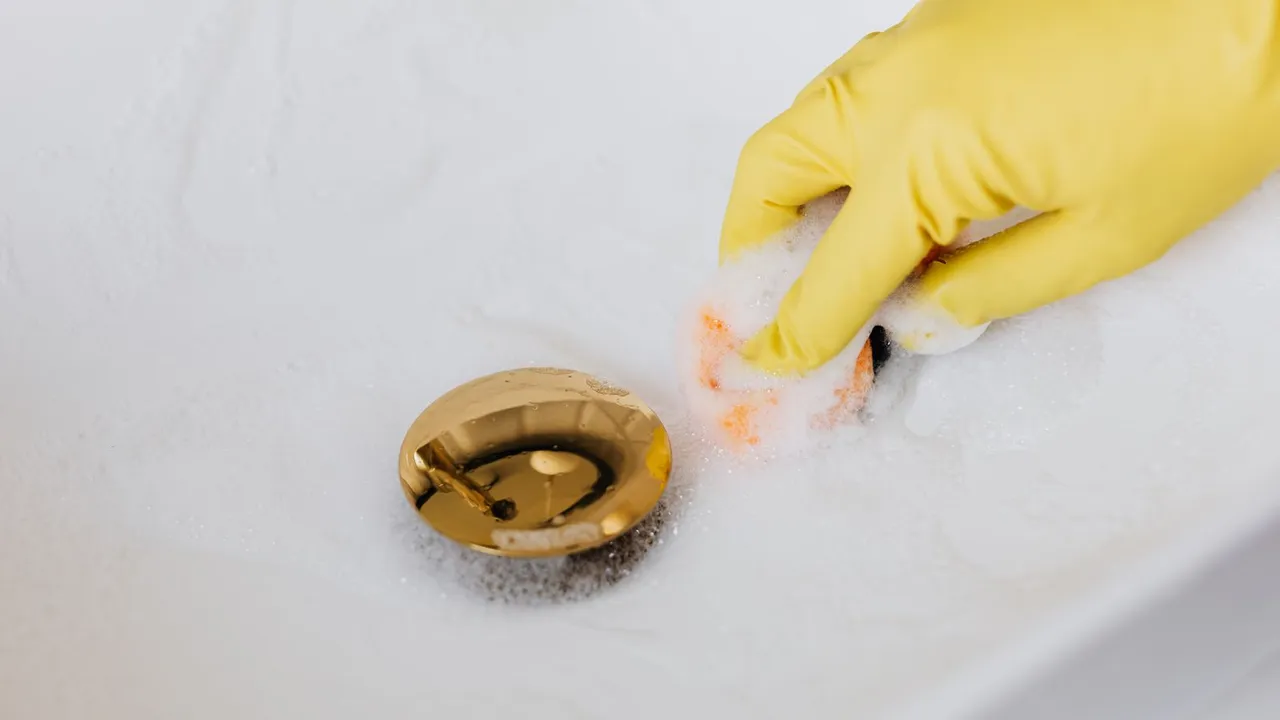
A slow drain is usually a partial clog, not a full block. Water still moves, which means the stoppage sits close to the fixture, often in the P-trap or the first few feet of branch line.
Chemical drain cleaners work by generating heat or dissolving organic matter, and they can pit older metal pipes, harden grease downstream, and sit in the trap where a plumber has to deal with them. Mechanical methods remove the clog instead of pushing it around. This guide covers the order to try them in.
| Most common clog | Grease, hair, and soap scum in the P-trap |
|---|---|
| First tool to try | Cup plunger with a tight seal |
| Water temperature | Hot but not boiling, to protect PVC |
| Snake reach | Hand snakes run 15 to 25 feet |
| When to stop | Multiple fixtures backing up means a main line issue |
How to Unclog a Drain With a Plunger
A cup plunger works by forcing water back and forth through the trap until the clog breaks apart or moves into the branch line.
A plunger only works if it seals. In a kitchen sink with a dishwasher drain or a double bowl, that means blocking the second opening with a wet rag or a stopper. Otherwise you push air instead of water. For a broader look at fixture-level fixes, see DIY Plumbing Repairs.
Fill the basin with enough water to cover the cup. Seat the cup over the drain at a slight angle so no air escapes, then push down firmly and pull up without breaking the seal. Work in sets of about fifteen strokes. Repeat two or three times.
- Remove the strainer or stopper so the cup can sit flat on the drain opening.
- Block any second drain opening with a wet rag or a rubber stopper.
- Add water to the basin until the plunger cup is submerged.
How to Unclog a Drain With Baking Soda and Vinegar
Baking soda and vinegar loosen light grease and soap film, but the reaction is mild and will not clear a solid hair or food clog.
This method suits a slow bathroom sink or a tub drain that smells. Pour half a cup of baking soda into the drain, then half a cup of white vinegar. Cover the drain with a plug or a rag so the foam pushes down the pipe instead of up into the room.
Let it sit for fifteen to thirty minutes, then flush with hot water. If the drain is still slow, the clog is mechanical and needs a snake. Do not expect this to replace a cable. It is a maintenance step, not a repair.
For persistent slow drainage across the house, the cause may be pressure rather than blockage, which is covered in Fixing Low Water Pressure.
How to Snake a Clogged Drain
A hand snake reaches past the trap into the branch line and either pulls the clog out or breaks it up so water can carry it away.
Remove the strainer or the pop-up stopper first. On a bathroom sink, the stopper assembly usually unscrews or pulls straight up after you release the pivot rod behind the tailpiece. On a tub, the overflow plate may need to come off so the cable can enter there instead of the shoe.
Feed the cable in slowly and crank clockwise when you feel resistance. You are trying to hook the clog, not drill through it. When the cable stops advancing, pull it back with steady pressure. Expect hair, soap, and dark sludge on the tip. Run hot water for a minute and repeat if the drain is still slow.
If the cable will not pass the trap, remove the trap arm and clean it by hand. A bucket under the trap is mandatory. For more on trap and fixture work, see how to fix a leaky faucet while the cabinet is open.
- Place a bucket under the trap and remove the cleanout plug or trap arm.
- Feed the snake cable into the drain opening and crank clockwise at resistance.
- Pull the cable back slowly to bring the clog out with it.
How to Unclog a Toilet Without Chemicals
A toilet clog usually sits in the trapway, and a flange plunger plus a toilet auger clears it without chemicals.
Use a flange plunger, not a cup plunger. The flange folds into the trapway and makes a seal that a flat cup cannot. Push down slowly on the first stroke to purge air, then work in short, firm strokes. If the bowl is too full, bail some water into a bucket first so you do not overflow it.
If plunging fails, a toilet auger has a sleeve that protects the porcelain and a crank handle that turns the cable. Feed it into the trapway until you feel the clog, then crank and pull back. Never use a drain snake in a toilet. The cable can scratch the bowl and jam in the trap.
If the toilet runs after flushing or refills on its own, that is a different problem, explained in Why Is My Toilet Running Constantly?.
How to Prevent Drains From Clogging Again
Most repeat clogs come from grease, hair, and food going down the drain, so the fix is a strainer and a monthly hot water flush.
Pour cooking grease into a can and throw it away. Wipe pans with a paper towel before washing. In the bathroom, a hair catcher in the tub and a mesh strainer in the sink catch most of what causes slow drains. Clean them weekly, not when the drain stops.
Once a month, fill the basin with hot tap water and let it drain at full volume. That pushes soft buildup through the branch line before it hardens. That is when a professional drain cleaning tyler service is worth the call, because a cable alone will not remove a grease layer.
Frequently asked questions
Does boiling water clear a clogged drain?
Boiling water can soften grease, but it can also deform PVC and crack older cast iron joints. Use hot tap water instead, and only on metal pipes if you know the material.
Why does my drain clog again right after I clear it?
You likely pushed the clog downstream instead of removing it. A snake that hooks and pulls the debris out gives a longer-lasting result than plunging alone.
When should I call a plumber instead of clearing it myself?
If more than one fixture backs up at the same time, the blockage is in the main line. That needs a cable or jetter sized for the main, not a hand tool.