How to Fix a Leaky Faucet: Diagnosing Washers, Cartridges, and O-Rings
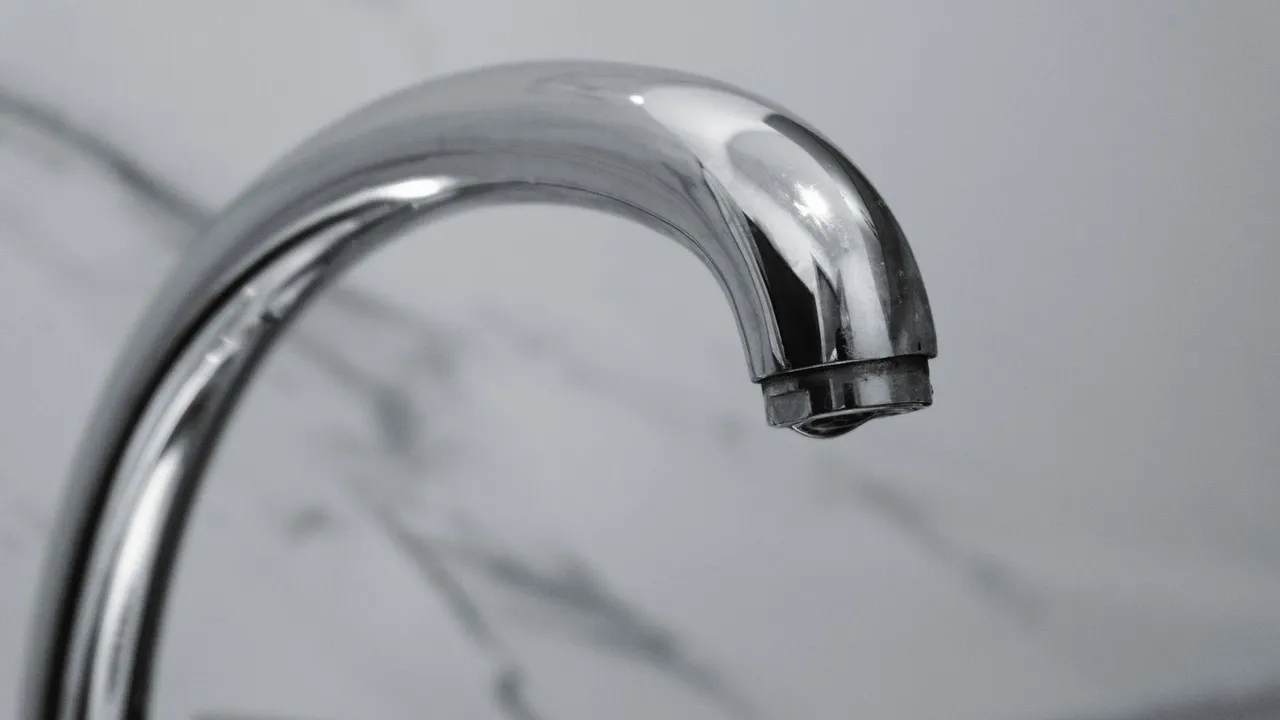
A dripping faucet wastes water and gets louder at night. Before you buy parts, find out which internal component has failed. The leak location tells you what to replace.
This guide covers compression, ball, and cartridge faucets. You will learn to read the leak pattern, shut off the water, and swap the worn part. The same skills apply to most kitchen and bathroom fixtures in a US home.
| Common leak sources | Washer, cartridge, O-ring, or valve seat |
|---|---|
| Typical tools | Screwdriver, adjustable wrench, Allen keys |
| Water shutoff | Angle stops under the sink or main valve |
| Parts cost | Depends on faucet brand and cartridge type |
| Time required | 20 to 60 minutes for most repairs |
Diagnose the Leak by Where Water Appears
The location of the drip points to the failed part, so diagnose before you disassemble anything.
Water from the spout means the washer, cartridge, or valve seat has worn. Water at the base of the spout usually means an O-ring or packing nut. Water under the handle often means a worn stem O-ring. Dripping from the aerator can be simple debris.
For a broader troubleshooting approach to household leaks, see DIY Plumbing Repairs. If the drip is constant regardless of handle position, the valve seat is likely pitted. If it only drips when the handle is off, the washer or cartridge seal is the culprit.
Shut Off Water and Prepare the Faucet
Close the fixture shutoff valves, open the faucet to release pressure, and plug the drain before removing parts.
Turn the angle stops clockwise under the sink. If they will not close, shut the main valve. Open the faucet to drain remaining water. Plug the drain with a rag so small screws do not fall in. Lay a towel under the work area.
Take a photo of the handle assembly before you remove it. That photo shows the order of washers, nuts, and spacers. It saves time when you reassemble. If a shutoff valve breaks and water sprays, treat it like a burst pipe emergency and close the main valve immediately.
Replace a Compression Faucet Washer
A compression faucet leak from the spout is fixed by replacing the rubber seat washer at the bottom of the stem.
Compression faucets have separate hot and cold handles. Each handle turns a stem that presses a rubber washer against a metal seat. That washer flattens over time and stops sealing. The repair is simple and the parts are common.
Follow these steps:
1. Remove the handle screw and pull the handle.
2. Unscrew the packing nut and lift out the stem.
3. Pry off the old washer and install a matching new one.
4. Check the valve seat for pits; replace it if rough.
5. Reassemble, tighten the packing nut, and test.
Replace a Cartridge or Ceramic Disc
A cartridge faucet leak is fixed by pulling the old cartridge and installing an exact replacement.
Single-handle and many two-handle faucets use a cartridge or ceramic disc. The cartridge controls both flow and temperature. When its internal seals wear, water bypasses them and drips from the spout. Cartridges are brand specific, so match the model number.
Steps:
1. Remove the handle cap, screw, and handle.
2. Take off the retaining nut or clip.
3. Pull the cartridge straight out with pliers.
4. Note the orientation of the new cartridge.
5. Press it in, refit the clip, and reassemble.
6. Run hot and cold to flush debris and check for drips.
Replace O-Rings and Fix Base Leaks
A leak at the base or under the handle is usually an O-ring or packing seal that needs replacement.
O-rings seal the spout and handle joints on ball, cartridge, and compression faucets. They harden and crack with age. Water then seeps down the body and pools at the base. Replacing them is cheap and often stops the leak completely.
Steps:
1. Shut off water and remove the handle.
2. Lift the spout or cam assembly to expose the O-rings.
3. Pick out the old O-rings with a small hook.
4. Coat new O-rings with plumber's grease.
5. Seat them in their grooves without twisting.
6. Reassemble and test at both hot and cold.
Frequently asked questions
How do I know if I need a washer or a cartridge?
Compression faucets with two handles use washers, while single-handle and many modern two-handle faucets use cartridges. Check your faucet model or remove the handle to see which part sits inside.
Can I fix a leaky faucet without shutting off the water?
No. You must close the angle stops or the main valve before disassembly, or water will spray when you open the faucet body. Always relieve pressure by opening the faucet after shutoff.
Why does my faucet still drip after I replaced the cartridge?
Debris or a damaged valve seat can keep the new cartridge from sealing. Flush the valve body, inspect the seat for pits, and make sure the cartridge is seated in the correct orientation. If the drip continues, the faucet body may be worn.