How Much Does It Cost to Fix Common Plumbing Problems?
A plumbing repair bill is never just the part. You pay for the plumber's time, the parts markup, the difficulty of getting to the problem, and sometimes the hour you called. Two identical leaks can cost very different amounts for those reasons alone.
This guide breaks down what actually moves the number, how to plan for it, and where homeowners routinely overpay. No invented prices, just the factors you can check before you agree to anything.
| Biggest cost driver | Labor time, not the part |
|---|---|
| Second driver | Access to the pipe or fixture |
| Emergency premium | Nights, weekends, holidays |
| Typical quote basis | Flat rate or hourly plus parts |
| Best protection | Itemized written estimate |
| Where to save | Simple swaps you can do yourself |
| Factor | Lower cost when | Higher cost when |
|---|---|---|
| Labor time | Job is quick and standard | Diagnosis is unclear or work is slow |
| Access | Pipe or fixture is exposed | Behind drywall, tile, or slab |
| Timing | Scheduled weekday visit | Night, weekend, or holiday call |
| Parts | Common washer or flapper | Specialty cartridge or valve |
| Scope | Single fixture repair | Main line, sewer, or water heater |
What drives plumbing repair cost?
Plumbing repair cost is driven mainly by labor time, part prices, access difficulty, and whether the call is an emergency.
Labor is billed by the hour or as a flat rate, and it usually outweighs the part. A $12 cartridge can carry a $200 labor charge because the plumber has to shut off water, open the fixture, and test it. Access matters too: a pipe behind drywall costs more than one in an open basement.
Emergency calls add a premium because the plumber gives up evenings or weekends. If you can wait for a weekday appointment, you often pay less. For simple jobs, doing it yourself removes labor entirely. The DIY Plumbing Repairs guide covers which fixes are safe for a homeowner.
Parts also vary. A standard washer costs little, while a thermostatic cartridge or a specialty valve can cost many times more. Ask for the part number and brand so you can compare, and keep the old part if you want to verify what was replaced.
Common repairs and what changes the bill
Common repairs like leaky faucets, running toilets, and clogged drains sit in predictable cost bands, but the exact figure changes with fixture type and access.
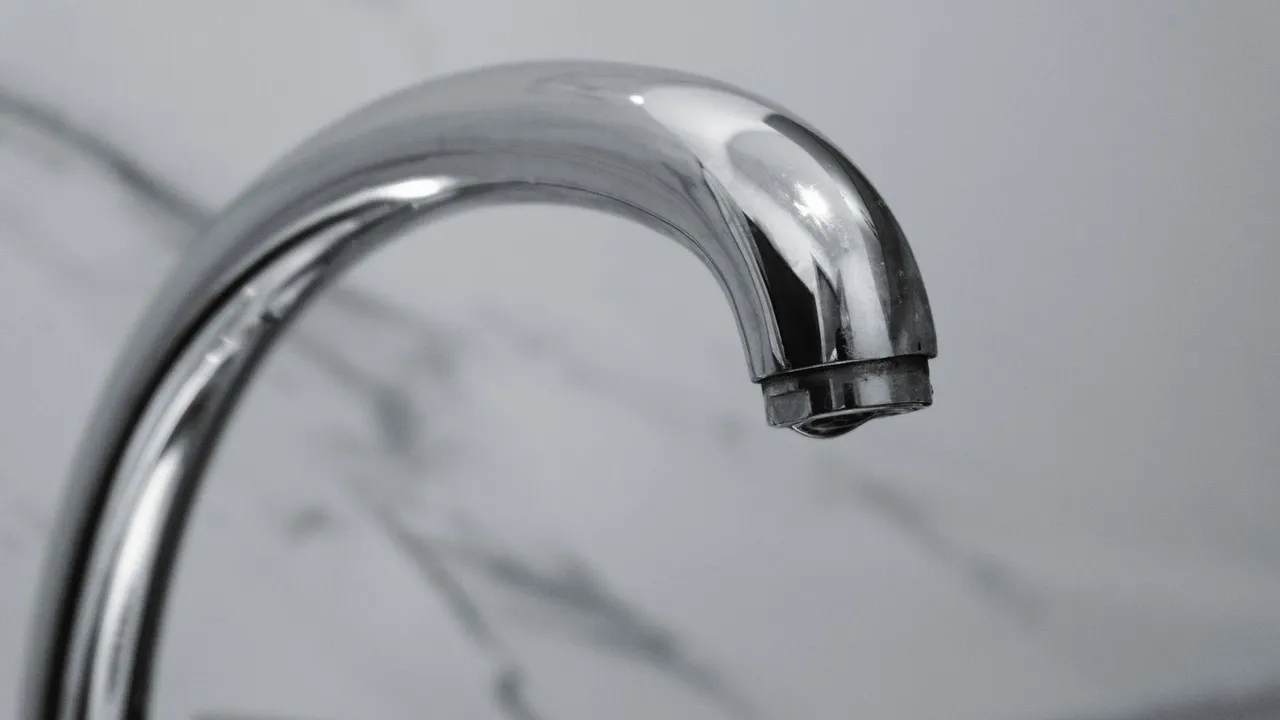
A leaky faucet is usually the cheapest repair because the fix is a washer, O-ring, or cartridge. The How to Fix a Leaky Faucet guide shows how to identify which part failed, which helps you decide whether to call anyone.
A toilet that runs constantly is also usually inexpensive to fix. The flapper, fill valve, or flush valve is the likely culprit, and the toilet runs constantly article walks through the diagnosis. A cracked tank or a broken flange raises the bill because the toilet may need to come out.
Clogged drains range from a simple cable job to a main line camera inspection. Water heater work is the biggest variable: a thermocouple or heating element is a small repair, while a failed tank points toward replacement. The repair or replace water heater guide explains how to weigh the two.
How to budget for a plumbing repair
Budget by setting aside a repair fund based on your home's age and systems, then treating each quote as a decision point rather than an emergency.
Older homes with galvanized or polybutylene pipe tend to need more work than newer builds with copper or PEX. If your water heater, main shutoff, and fixtures are all past their expected service life, plan for more frequent repairs and keep a reserve for them.
Get a written, itemized estimate before work starts. It should separate labor, parts, and any permit or disposal fee. A flat-rate quote is fine if the scope is clear, but ask what happens if the job takes longer than expected.
If water is pouring into a ceiling at midnight, you may not have time to shop around. That is when an emergency plumber tyler tx call costs more than a scheduled visit, so keep a trusted number on hand before you need it.
How to avoid overpaying
You avoid overpaying by getting more than one quote, asking for part numbers, and refusing vague diagnostic fees that are not credited toward the repair.
Three quotes for a non-emergency job is normal. Compare the scope, not just the total. One plumber may include a permit and cleanup, while another leaves you with a hole in the wall. Ask each one to list what is included.
Watch for diagnostic fees that are not applied to the repair, parts marked up without a stated brand, and pressure to replace a fixture that only needs a rebuild kit. A second opinion is cheap compared with a new water heater.
Also confirm licensing and insurance in writing before anyone starts. A low bid from an uninsured contractor can cost far more if something goes wrong. Pay by card or check so you have a record, and never pay the full amount before the work is tested.
When to call a plumber instead of DIY
Call a plumber when the problem involves the main line, gas, sewer, a water heater tank, or anything behind a wall or under a slab.
Simple fixture repairs are reasonable DIY projects. Anything that touches the main water shutoff, the sewer line, or a gas appliance is not. A mistake there can flood a house or create a safety hazard, and the repair cost afterward dwarfs the original job.
If you have tried the obvious fix twice and the problem returns, stop. Repeating a failed repair usually means the diagnosis is wrong. A plumber with a camera or pressure gauge can find the real cause faster than another parts swap.
Frequently asked questions
Why do two plumbers quote different prices for the same repair?
They may bill labor differently, use different parts, or include different scope such as permits and cleanup. Compare the itemized estimate, not just the total.
Is it cheaper to repair or replace a fixture?
It depends on the age of the fixture, the cost of the part, and whether the body is still sound. A rebuild kit is usually cheaper, but a corroded or cracked fixture is not worth repairing.
Does homeowners insurance cover plumbing repairs?
Policies usually cover sudden accidental damage, such as a burst pipe, but not wear-and-tear failures or the repair itself. Read your policy and ask your agent before filing.