What Causes Low Water Pressure in a House and How to Fix It
Low water pressure in a house is rarely a mystery once you know the order to check things. Water arrives through a service line, passes a main shutoff, a pressure regulator, and branch pipes, then exits at a fixture. Each point can restrict flow.
The trick is isolating where the restriction sits. If one faucet is weak, the problem is local. If the whole house is weak, the cause is upstream. Work outward from the fixture and you will find it faster.
| Most common cause | Clogged aerator or cartridge at one fixture |
|---|---|
| Whole-house cause | Failing pressure regulator or partly closed main valve |
| Normal home pressure | Roughly 40 to 60 psi at a hose bib |
| Quick test | Compare one faucet against another |
| When to call a pro | Pressure below 40 psi on the whole house |
| Prevention | Flush the water heater and soften hard water |
What Are the Signs of Low Water Pressure?
Weak flow shows up as a thin stream at one tap, slow filling of appliances, or a shower that drops when another fixture runs.
Signs vary by where the restriction sits. A single slow faucet points to that fixture. A shower that weakens when the toilet refills points to a shared branch line sized too small or partly blocked.
Whole-house symptoms look different. Every tap runs weak at once, the washing machine takes longer to fill, and the water heater may not keep up with demand.
If you are still learning how supply and drain lines connect, start with the home plumbing basics in our complete guide to home plumbing systems before you start opening valves.
- One fixture weak, others fine
- All fixtures weak at once
- Pressure drops when a second fixture runs
- Hot water weaker than cold
- Pressure fell suddenly rather than slowly
What Causes Low Water Pressure at One Fixture?
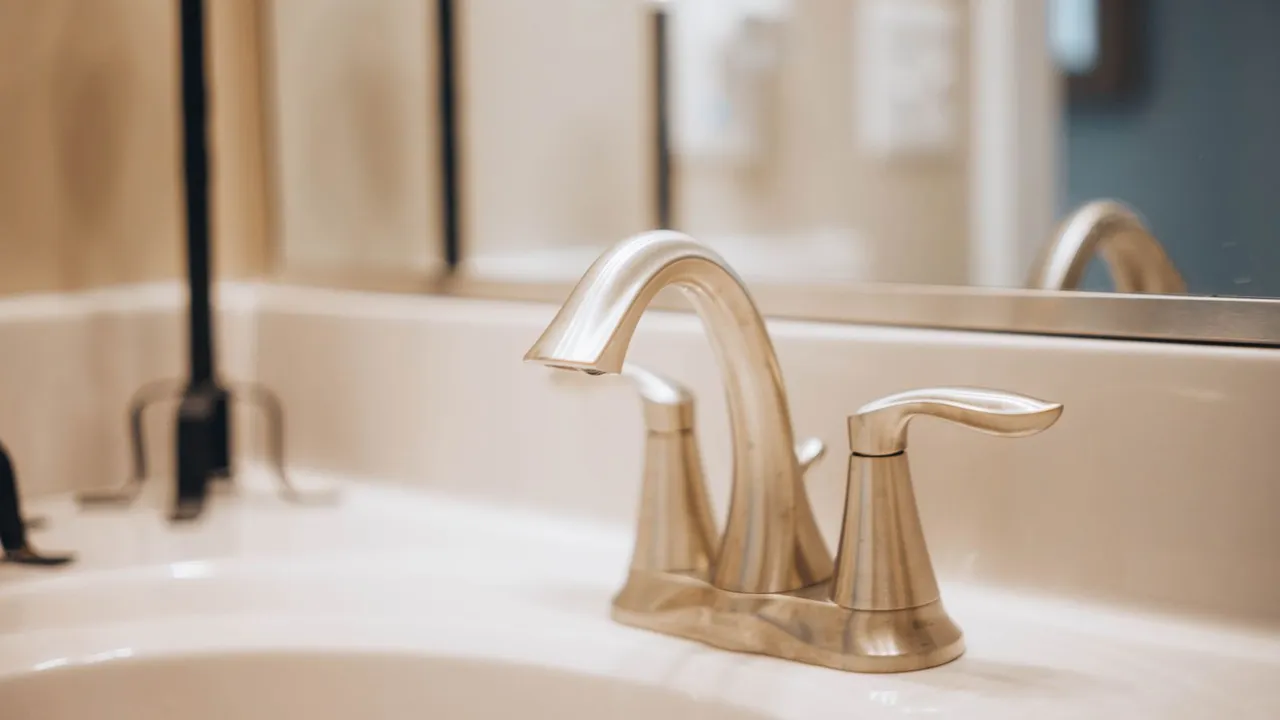
A single weak fixture is almost always a clogged aerator, a worn cartridge, or debris in the supply stop.
Unscrew the aerator from the spout and look at the screen. Mineral scale and grit collect there, especially in areas with hard water signs like crusty white buildup on fixtures and showerheads.
If the aerator is clean, shut the supply stop under the sink and check the cartridge. Rubber bits from an aging washer or a failing shutoff valve can lodge in the cartridge ports and cut flow.
A partly closed angle stop does the same thing. Open it fully, then test again. This is the cheapest fix and it takes about a minute per fixture.
What Causes Low Water Pressure Throughout the House?
Whole-house low pressure usually traces to the pressure regulator, the main shutoff valve, or the municipal supply.
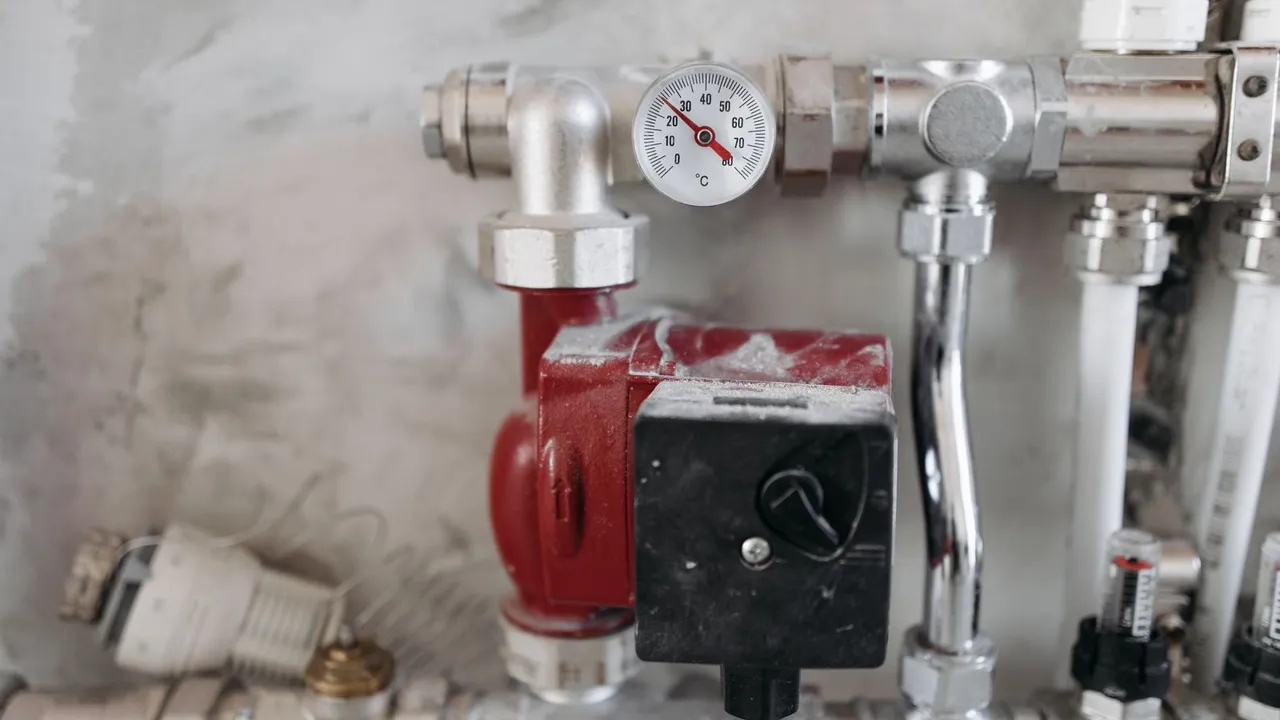
The pressure-reducing valve near the main shutoff keeps incoming pressure in a safe range. When its internal diaphragm fails, it can drop household pressure well below normal. A plumber can test it with a gauge on a hose bib.
The main shutoff itself may be partly closed after repair work, or a gate valve may have a broken stem that never fully opens. Ball valves are easier to verify because the handle position matches the internal position.
If your neighbors have the same problem, the cause is on the utility side. Call the water department before paying for a repair inside the house.
How Do You Diagnose the Problem Step by Step?
Test one fixture, then a group, then the whole house, and check pressure with a gauge at an outdoor spigot.
Start at the kitchen faucet and compare it to a bathroom tap. If only one is weak, stay local. If both are weak, move to the water heater and main line.
Screw a pressure gauge onto a hose bib and open the valve. Read it with no other water running, then read it again with a shower on. A large drop points to a supply or pipe-size problem rather than a fixture clog.
If hot water pressure is worse than cold, the issue may sit on the hot side, including the heater inlet or a scaled dip tube. Our explainer on how a water heater works covers how those parts affect flow.
- Compare two fixtures on different floors
- Check the aerator screen for grit
- Verify the angle stops are fully open
- Read pressure at an outdoor hose bib
- Test with a second fixture running
How Do You Fix Low Water Pressure?
Fix simple clogs and valve positions yourself, but leave regulator, main line, and repiping work to a licensed plumber.
Homeowner fixes are limited but useful. Clean aerators, replace cartridges, open angle stops fully, and replace a worn showerhead. If you have a softener, check that it is not bypassed or clogged.
A failing pressure regulator needs replacement, and that job requires shutting off the main and soldering or threading new fittings. Municipal supply problems are the utility's responsibility, not yours.
For a wider list of causes and repairs, see low water pressure causes. If drains are also slow, that is a separate problem covered in our piece on smelly drain fix options.
How Do You Prevent Low Water Pressure?
Prevention means keeping valves exercised, softening hard water, and servicing the water heater and pressure regulator on a schedule.
Exercise the main shutoff and angle stops once a year. Turning them fully closed and open keeps gate valves from seizing and reveals a broken stem before you need it in an emergency.
Treat hard water if your area has it. Scale narrows pipes and coats cartridges over time, so a softener or filter pays off across every fixture in the house.
Flush the water heater annually to remove sediment that can block the outlet. Have the pressure regulator checked every few years, since it ages quietly and fails without warning.
Frequently asked questions
Why did my water pressure drop suddenly?
A sudden drop usually means a valve was partly closed, a pipe broke, or the utility changed something on the main. Check your main shutoff first, then call the water department if neighbors are affected too.
Does low water pressure mean a leak?
Not always, but a hidden leak can cause it. Look for wet spots, a spinning water meter with everything off, or unexplained high bills. Those signs point to a leak rather than a clog.
Can a water heater cause low water pressure?
Yes, on the hot side. Sediment at the tank outlet, a failing dip tube, or clogged nipples can restrict hot flow while cold water stays normal. Flushing the tank often restores it.