The Complete Guide to Home Plumbing Systems: How They Work and What Every Homeowner Should Know
Your home's plumbing is two separate systems that share one job: move water where you want it and keep it out of everything else. The supply side pushes clean water in under pressure. The drain side carries waste out by gravity and venting.
Most plumbing calls trace back to a handful of causes: a closed valve, a clogged trap, a failed fitting, or a water heater at the end of its life. Understanding the layout means you can shut things down, diagnose the obvious, and know when to call for help. This guide covers the whole system from the meter to the drain stack.
| Supply pressure | Typically 40 to 80 psi at the fixture; higher needs a pressure-reducing valve |
|---|---|
| Main shut-off | Usually at the meter or where the main line enters the house |
| Drain slope | Horizontal drain pipes rely on a consistent downward pitch, often about a quarter inch per foot |
| Vent stack | Lets air into the drain system so waste can flow without siphoning traps |
| Water heater life | Tank units commonly last 8 to 12 years; tankless often longer with flushing |
| Typical pipe sizes | Main lines often 3/4 inch; fixture branches 1/2 inch; drain lines larger by fixture load |
What Is a Home Plumbing System?
A home plumbing system is the connected set of pipes, fittings, fixtures, and appliances that delivers potable water and removes wastewater from the house.
Think of it as two networks running side by side. The supply network starts at the water meter or well tank and branches to every faucet, toilet, and appliance. The drain network collects waste and routes it to the sewer or septic tank.
The two never meet by design. Backflow prevention, air gaps, and code rules keep dirty water from crossing into clean water. That separation is the single most important safety feature in the system.
Every fixture has a trap, a curved section of pipe that holds water. That water seal blocks sewer gas from entering the room. Behind the wall, a vent stack connects to the drain lines and equalizes pressure so the traps keep their seal.
How Water Gets Into Your House
Water enters through a main service line, passes a meter and main shut-off valve, then branches through smaller supply pipes to each fixture.
In most U.S. homes, the service line comes in from the street or from a private well. It ends at the meter, which measures usage, and at a main shut-off valve. From there, a main line, often 3/4 inch, runs to a manifold or trunk.
Smaller 1/2-inch branches feed individual fixtures. Hot and cold lines run parallel, with the hot side fed from the water heater. Pressure in the system pushes water to every opening, so a leak anywhere drops pressure everywhere.
If you have never located your main water shut off valve, do it before you need it. In an emergency, knowing that valve saves thousands in water damage. Test it once a year so it does not seize.
Weak flow at one faucet is usually a clogged aerator. Weak flow everywhere points to a supply problem. That is when you start looking at low water pressure in house causes like a failing pressure regulator or a partially closed valve.
How Drains and Vents Work
Drains carry waste away by gravity while vents admit air so water can flow smoothly and traps keep their water seal.
Drain pipes are larger than supply lines and slope downward toward the sewer. A toilet drain is typically 3 inches; sink and tub drains are 1.5 to 2 inches. The pitch matters: too flat and solids settle, too steep and water outruns the waste.
Vents run up through the roof. Without them, draining water would pull a vacuum and siphon the trap dry, letting sewer gas into the house. A blocked vent can make a whole bathroom drain slowly.
Clogs usually form in the trap or the branch line, not the main stack. A plunger or hand auger handles most sink and toilet clogs. For a main line backup or repeated blockages, a drain cleaning plumber tyler can clear the line and camera it to find the cause.
If the drain runs fine but the room smells, the problem is often a dry trap or a buildup of biofilm. A smelly drain fix usually starts with pouring water down unused drains and cleaning the trap.
Pipe Materials: What Your Home Likely Has
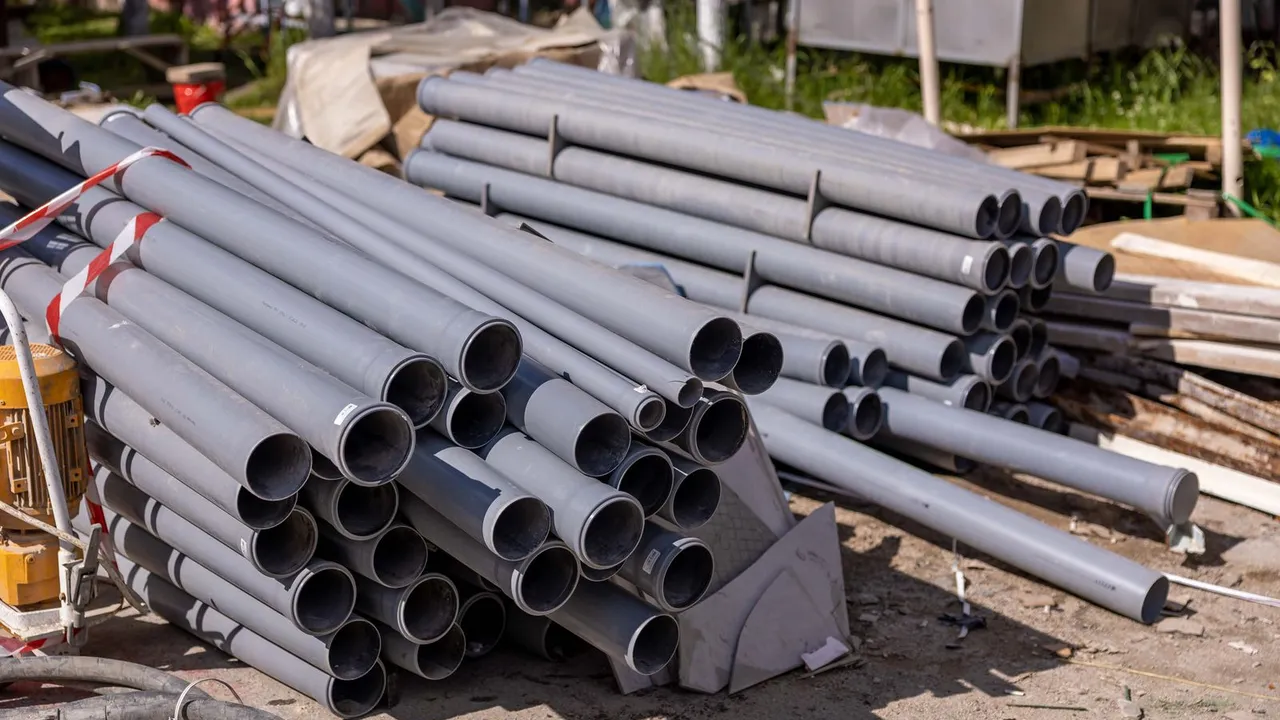
Most U.S. homes use copper, PEX, or CPVC for supply lines and PVC, ABS, or cast iron for drains, with the choice depending on age, budget, and local code.
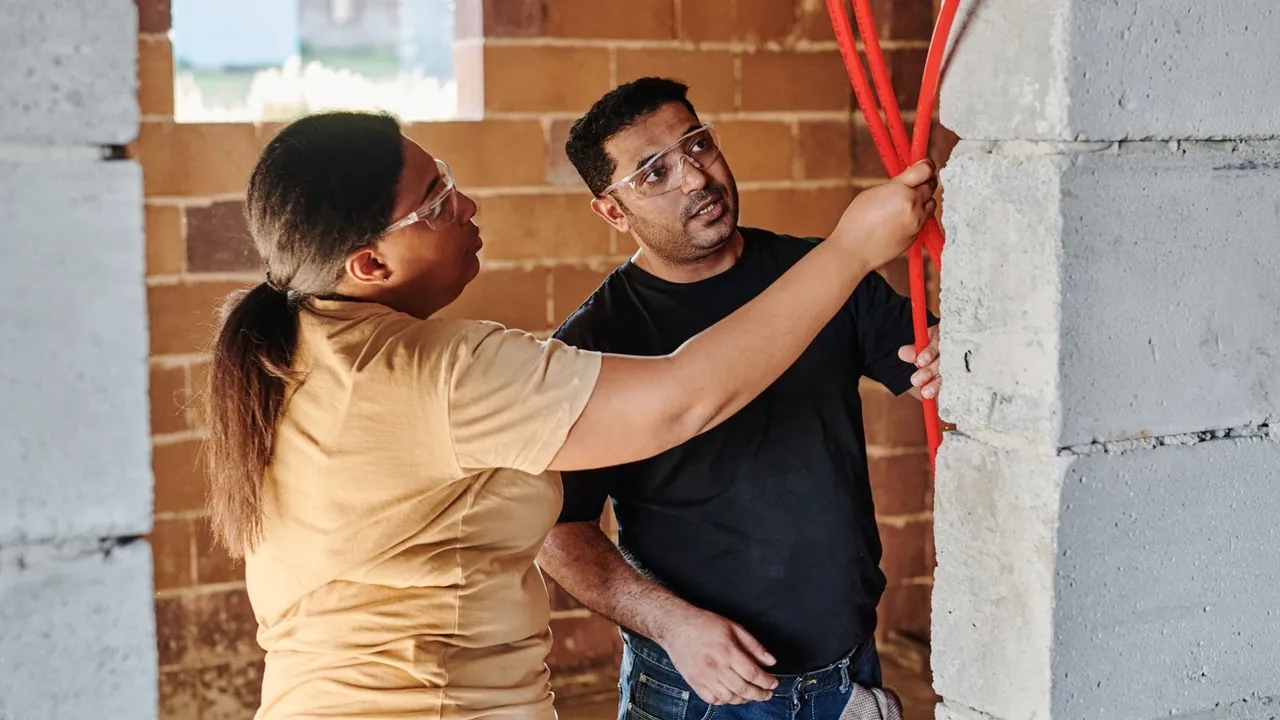
Copper has been standard for decades. It is durable and handles heat, but it costs more and can corrode in aggressive water. PEX is flexible, cheap to install, and resists freezing better, though it needs UV protection and specific fittings.
CPVC is common for both hot and cold supply in some regions. For drains, PVC and ABS dominate new work, while older homes often still have cast iron or galvanized steel. Each has different failure modes.
Galvanized steel rusts from the inside and slowly chokes flow. Polybutylene, used in some homes from the late 1970s to mid-1990s, is prone to sudden failure. If you are replacing lines, comparing PEX vs. Copper vs. CPVC helps you match material to your water, climate, and code.
Whatever the material, local rules govern how it is installed. Sizing, support spacing, and protection plates are spelled out in plumbing code requirements that vary by state and municipality.
Water Heaters and Hot Water Delivery
A water heater stores or instantly heats water and sends it through the hot-side supply lines, with tank and tankless designs trading recovery speed against space and efficiency.
Tank heaters keep 30 to 80 gallons hot around the clock. Tankless units heat on demand and never run out, but they cap flow rate and need venting and gas or power sized for the load. Both rely on a temperature and pressure relief valve for safety.
Recovery time matters more than tank size for a busy household. Two showers back to back can drain a tank faster than it recovers. Knowing how a water heater works helps you size the next one correctly.
Annual maintenance is simple: drain a few gallons from the tank to flush sediment, and test the relief valve. Tankless units need descaling in hard water areas. Skipping this shortens life and raises energy use.
Hard Water, Fixtures, and Everyday Wear
Hard water leaves mineral scale that clogs aerators, coats heater elements, and shortens fixture life, so treatment depends on your water's measured hardness.
Scale builds up wherever water evaporates or heats. You see it as white crust on faucets, spots on glassware, and reduced flow from showerheads. Inside the water heater, it forms a layer that wastes gas or electricity.
Common hard water signs include soap that will not lather, stiff laundry, and recurring film on fixtures. A simple test kit or a lab report tells you grains per gallon, which determines whether a softener is worth it.
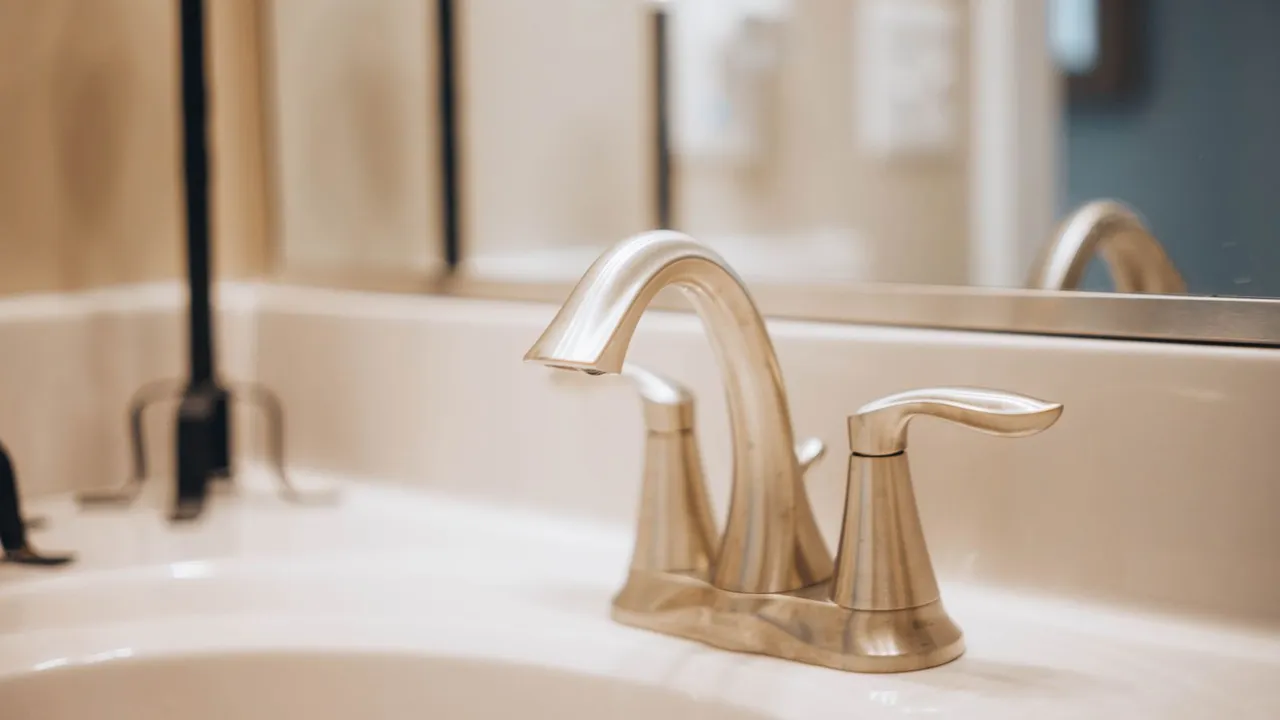
Fixtures wear out from use, not just age. Cartridges, flappers, and supply lines are cheap parts that fail first. Replacing them on a schedule beats waiting for a leak behind a cabinet.
Repairs, Installation, and Maintenance Basics
Most plumbing work falls into three buckets: fixing active problems, installing new fixtures or lines, and preventive care that avoids both.
Start with the shut-off. Every fixture should have its own valve, and the main valve backs it up. Once water is off, a leak is usually a failed supply line, a worn cartridge, or a loose compression fitting.
When you replace a faucet, toilet, or disposal, follow a plumbing installation guide for the order of steps and the fittings each job needs. Teflon tape, thread sealant, and the right wrench size prevent most callbacks.
For leaks, clogs, and running toilets, DIY plumbing repairs cover the jobs most homeowners can handle safely. Know your limits: gas lines, sewer mains, and anything inside a wall usually need a licensed pro.
Prevention is the cheapest work. Seasonal plumbing maintenance tips include insulating exposed pipes, shutting off outdoor spigots before a freeze, and flushing the water heater. A 20-minute walkthrough twice a year catches most problems early.
Frequently asked questions
Where is my main water shut-off valve?
It is usually where the main line enters the house, often near the front foundation wall, in a basement, or at the meter. In warm climates it may be outside in a ground box near the curb.
Why does water drain slowly in more than one fixture?
Multiple slow drains point to a blockage or vent problem in a shared branch or the main line, not a single fixture trap. A camera inspection finds the location.
How do I know if I have hard water?
Look for scale on faucets, poor soap lather, and spotty dishes. A test kit or your water utility's report gives the actual hardness number.
Can I replace my own faucet or toilet?
Yes, those are common homeowner jobs if you shut off the water, use new supply lines, and follow the manufacturer's instructions. Anything involving gas, sewer mains, or soldering inside walls is better left to a licensed plumber.