PEX vs. Copper vs. CPVC: Choosing the Right Pipe for Your Plumbing
Choosing pipe for a repipe or new build comes down to three common materials: PEX, copper, and CPVC. Each behaves differently with heat, water chemistry, and the framing in your house.
The right choice depends on where the pipe runs, what your water does to metal, and what your local code allows. Start with the home plumbing basics so you understand how supply lines, drains, and vents work together.
| PEX | Flexible plastic, few fittings, tolerates freezing better than rigid pipe |
|---|---|
| Copper | Rigid metal, soldered or pressed, handles hot water and lasts decades |
| CPVC | Rigid plastic, solvent-cemented, good for hot water, weak in UV light |
| Best for tight spaces | PEX, because it bends around corners |
| Best for high heat | Copper and CPVC, both rated for hot supply lines |
| Code check | Some jurisdictions restrict PEX or require copper in certain runs |
| Feature | PEX | Copper | CPVC |
|---|---|---|---|
| Flexibility | High, bends around corners | Rigid, needs fittings | Rigid, needs fittings |
| Hot water rating | Yes | Yes | Yes |
| Freeze tolerance | Expands, often survives | Can split | Can crack |
| UV resistance | Poor | Excellent | Poor |
| Typical lifespan | Long with proper fittings | Longest | Moderate |
| Best use | Tight framing, fast repipe | High heat, long-term | Budget hot lines |
What Is PEX Pipe?
PEX is a flexible crosslinked polyethylene tubing that bends around obstructions and connects with barbed or press fittings.
PEX comes in red, blue, and white coils. It bends around corners, so a run needs far fewer fittings than rigid pipe. Fewer joints mean fewer places to leak.
It handles hot and cold supply lines and expands if water freezes inside it. It cannot be used outdoors in sunlight, and some codes limit it near certain appliances. Always check plumbing code requirements before you buy.
- Pros: low material cost, fast install, fewer fittings, freeze-tolerant
- Pros: long coils mean fewer connections behind walls
- Cons: not for outdoor UV exposure
- Cons: some jurisdictions restrict its use
What Is Copper Pipe?
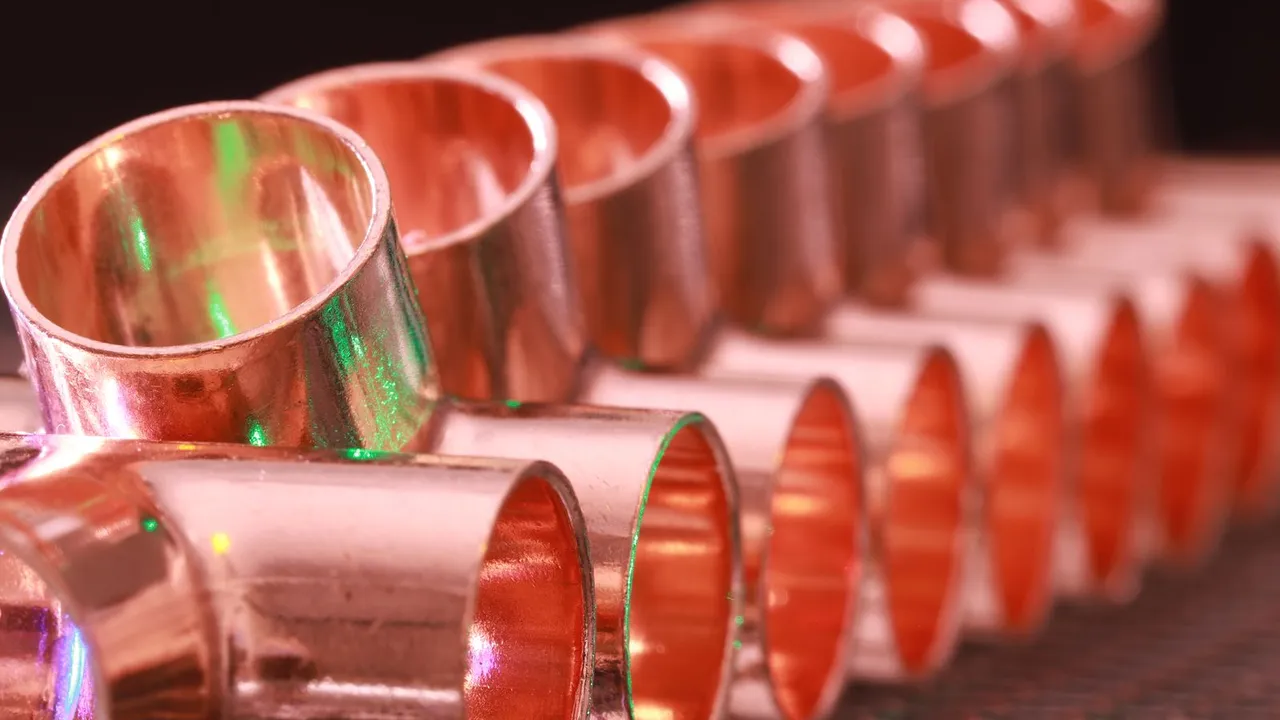
Copper is a rigid metal pipe joined by soldering or pressing, known for long service life and heat tolerance.
Copper has been the standard supply pipe for decades. It handles hot water, resists bacteria, and holds up under pressure. Type L and Type M differ in wall thickness, and local code often specifies which one to use.
The catch is water chemistry. Aggressive or low-pH water can pit copper from the inside. If you see blue-green stains or pinhole leaks, your water is attacking the pipe. Have the main water shut off valve location ready before any repair.
- Pros: very long service life, handles high heat
- Pros: rigid and stable, widely accepted by code
- Cons: higher material cost, slower to install
- Cons: can corrode in aggressive water
What Is CPVC Pipe?
CPVC is a chlorinated plastic pipe that handles hot water and joins with solvent cement.
CPVC looks like PVC but is rated for hot supply lines. It resists corrosion and is cheaper than copper. It is rigid, so it needs more fittings than PEX in tight framing.
It weakens under UV light and can become brittle over time. Solvent cement joints must cure fully before pressure testing. It is common in older remodels and some multifamily buildings.
- Pros: handles hot water, resists corrosion
- Pros: lower material cost than copper
- Cons: brittle over time, degrades in sunlight
- Cons: more fittings and cure time than PEX
PEX vs Copper vs CPVC: How Do They Compare?
PEX wins on speed and cost, copper wins on lifespan and heat, and CPVC sits between them for budget hot-water lines.
For a full repipe, PEX usually goes in fastest because it needs fewer joints. Copper lasts longest but costs more and takes skilled labor. CPVC is a middle option for hot lines on a budget.
Your water matters most. Hard or aggressive water shortens copper life. Very hot water can stress CPVC over time. PEX tolerates both but must stay out of sunlight. If pressure drops after the swap, check low water pressure in house causes before blaming the pipe.
What Affects the Cost of a Repipe?
Cost depends on house size, wall access, local labor rates, permit fees, and how much drywall must be opened.
Material price is only part of the bill. A single-story house with a crawlspace is easier than a two-story on a slab. Patching drywall and repainting add cost after the plumber leaves.
Permits and inspections vary by city. Some areas require copper for certain runs, which changes the estimate. Get two or three written quotes that list pipe material, fixture count, and drywall repair separately.
Frequently asked questions
Is PEX as good as copper?
For most home supply lines, PEX performs well and costs less to install. Copper still lasts longer and handles higher heat. Your water chemistry and local code decide which is allowed and which lasts.
Can I connect PEX to copper?
Yes, with the right transition fitting. Use a brass or plastic adapter rated for the pressure and temperature of the line. Never bury a bare mechanical joint where it cannot be inspected.
Does CPVC or PEX handle hot water better?
Both are rated for hot supply lines. CPVC can become brittle over time, while PEX flexes and tolerates movement. Check the temperature rating printed on the pipe before you install it.
There is no single best pipe for every house. PEX is fast and forgiving, copper is durable and heat-ready, and CPVC is a budget choice for hot lines. Match the material to your water, climate, and local code, then get written quotes that separate labor, material, and drywall repair.