How to Install a Dishwasher: A DIY Guide with Plumbing Tips
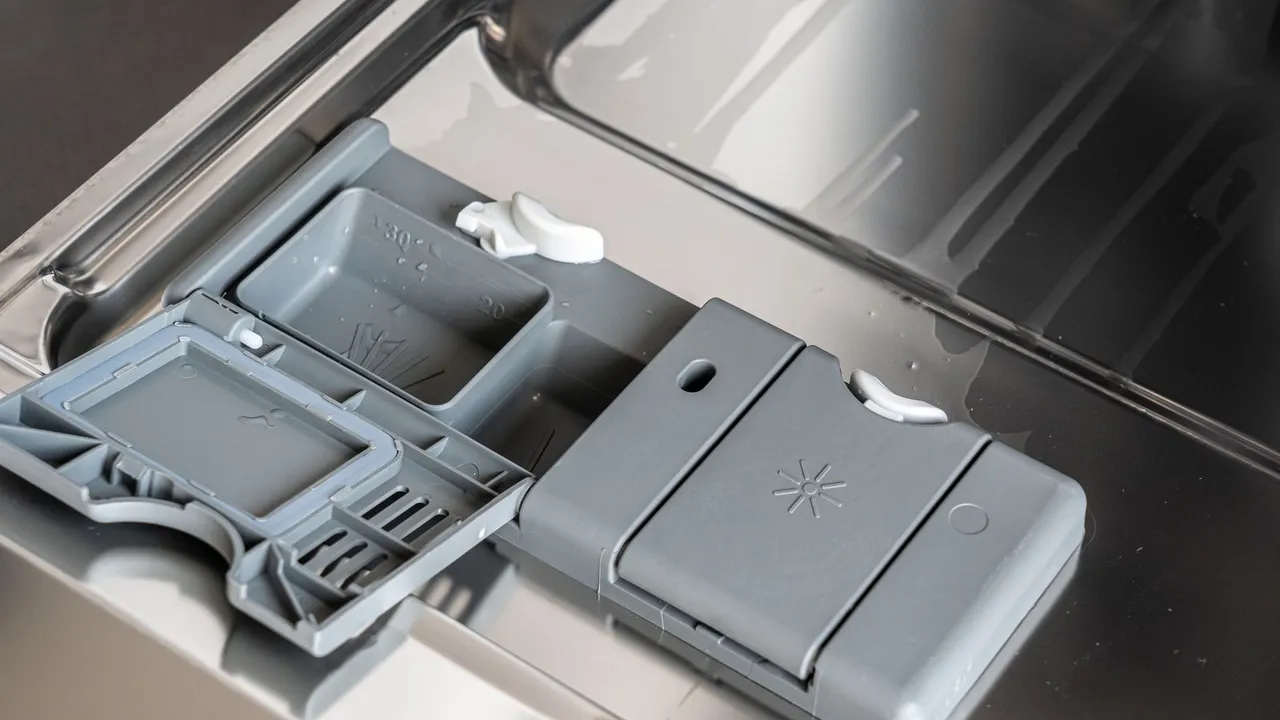
A dishwasher install is mostly plumbing and a little electrical work. The unit itself is simple: one water supply, one drain, one power connection. What trips people up is the prep, the cabinet opening, and getting the drain to flow without backing up into the sink.
This guide walks through the full job for a standard US under-counter dishwasher. You will see how the machine works, what tools and parts you need, and where the common mistakes happen. If your wider project includes other fixtures, the Plumbing Installation Guide covers the same principles for sinks, toilets, and supply lines.
For the complete overview, read Plumbing Installation Guide: How to Install Fixtures, Appliances, and Pipes Safely.
| Typical time | 2 to 4 hours for a first-time install in an existing cabinet opening |
|---|---|
| Water supply | 3/8 inch compression or flexible braided line from a shutoff valve |
| Drain method | High loop or air gap into the sink drain or garbage disposal |
| Power options | Dedicated circuit, cord-and-plug kit, or hardwired junction box |
| Key tools | Adjustable wrench, screwdrivers, level, bucket, towels, drill |
| Critical check | Run a full cycle and inspect every joint before closing the cabinet |
What does installing a dishwasher actually involve?
It means connecting the machine to a hot water supply, a drain path, and a power source, then securing and leveling it under the counter.
Three systems meet at the dishwasher: water in, water out, and electricity. The supply comes from a shutoff valve under the sink, usually a tee off the hot line. The drain runs from the pump up to a high point and then down into the sink drain or disposal. For more on this, see plumbers tyler tx.
Power is the part that varies most. Some units come with a cord and plug into an outlet under the sink. Others are hardwired into a junction box. Check your local code and your unit's manual before you buy anything.
The physical install is straightforward once the rough connections are in place. You slide the unit in, shim it level, and fasten it to the counter or cabinet sides so it does not tip when the door is open.
How does a dishwasher work once it is connected?
It fills with hot water, circulates it through spray arms, drains the dirty water, and repeats until the final rinse.
A solenoid fill valve opens and lets water in until a float or pressure sensor says the tub is full. The pump then pushes water through the spray arms, and a heating element warms it to the wash temperature.
After each wash phase, the drain pump sends water out through the drain hose. That hose must rise above the sink's flood level before it drops into the drain, or dirty sink water can siphon back into the dishwasher.
Understanding this cycle explains why the drain loop matters so much. A flat or low drain hose is the most common cause of standing water and odors after a DIY install.
What are your options for a dishwasher installation?
You can replace an existing unit in the same opening, install a new one in a cut cabinet, or choose a portable model that connects to the faucet.
Replacing an old dishwasher is the easiest path. The opening, supply, drain, and power already exist. You disconnect the old unit, transfer the mounting brackets, and reconnect the new one the same way.
A new installation in a cabinet means cutting the opening, drilling holes for the supply, drain, and cable, and often adding a dedicated circuit. That last part is where a licensed electrician earns their fee.
Portable dishwashers avoid cabinet work entirely. They roll up to the sink and use an adapter on the faucet. They are slower and take up floor space, but they need no permanent plumbing changes.
- Direct replacement in an existing opening
- New under-counter install with cabinet cutting
- Portable countertop or roll-up model
- Drawer or panel-ready unit with custom cabinetry
What do you need before you start the install?
You need the unit, a flexible supply line, a drain hose kit, a cord or hardwire kit, thread sealant, and basic hand tools.
Buy a braided stainless supply line with the right fittings for your valve and the dishwasher inlet. Most US units use a 3/8 inch compression fitting at the valve and a 3/4 inch garden hose thread at the machine.
For the drain, get a kit that includes a high-loop clip or an air gap if your code requires one. Have a bucket and old towels ready. Water always finds the low spot in the cabinet.
If you are working on older plumbing in the same project, the steps for how to solder copper pipes are worth reviewing before you open a wall. Solid joints upstream make the dishwasher connection reliable.
How do you connect the water, drain, and power?
Shut off the water, connect the supply and drain, wire the power to code, then slide the unit in and test every joint under pressure.
Start by shutting off the hot water valve and the power at the breaker. Run the supply line from the valve to the dishwasher inlet, using thread sealant on the pipe threads, not on compression ferrules.
Route the drain hose in a high loop up to the underside of the counter, then down to the sink drain or disposal inlet. Secure it with a clip so it cannot sag. Connect the power per the manual, whether that is a plug or a junction box.
Slide the unit in, level it, and fasten the brackets. Turn the water back on and check for drips at the valve and inlet before you restore power. For a wider set of fixture connections, the guide on how to install a toilet follows the same shutoff-and-test routine.
Run a short cycle and watch the drain area for leaks. If water pools in the tub, the loop is too low or the drain is partially clogged. For a water heater replacement in the same remodel, the article on water heater installation cost explains what drives the bill.
Frequently asked questions
Can I install a dishwasher myself?
Yes, if the cabinet opening, supply, drain, and power already exist. If you need a new circuit or cabinet cut, hire a licensed electrician or installer for that part.
Do I need an air gap or a high loop?
It depends on your state and local plumbing code. Many areas accept a high loop, while others require an air gap at the sink. Check with your local inspection office.
Why does my dishwasher leave standing water after install?
The drain hose is usually too low or kinked. Raise it into a high loop above the sink drain connection and check that the disposal knockout plug was removed.